- Transparency
- October 20, 2026
Russ DurfeeProducer Perspectives: The Reality of Organic Certification
By sharing these conversations, we hope to increase awareness of the challenges producers face surrounding organic certification, from their own perspective.
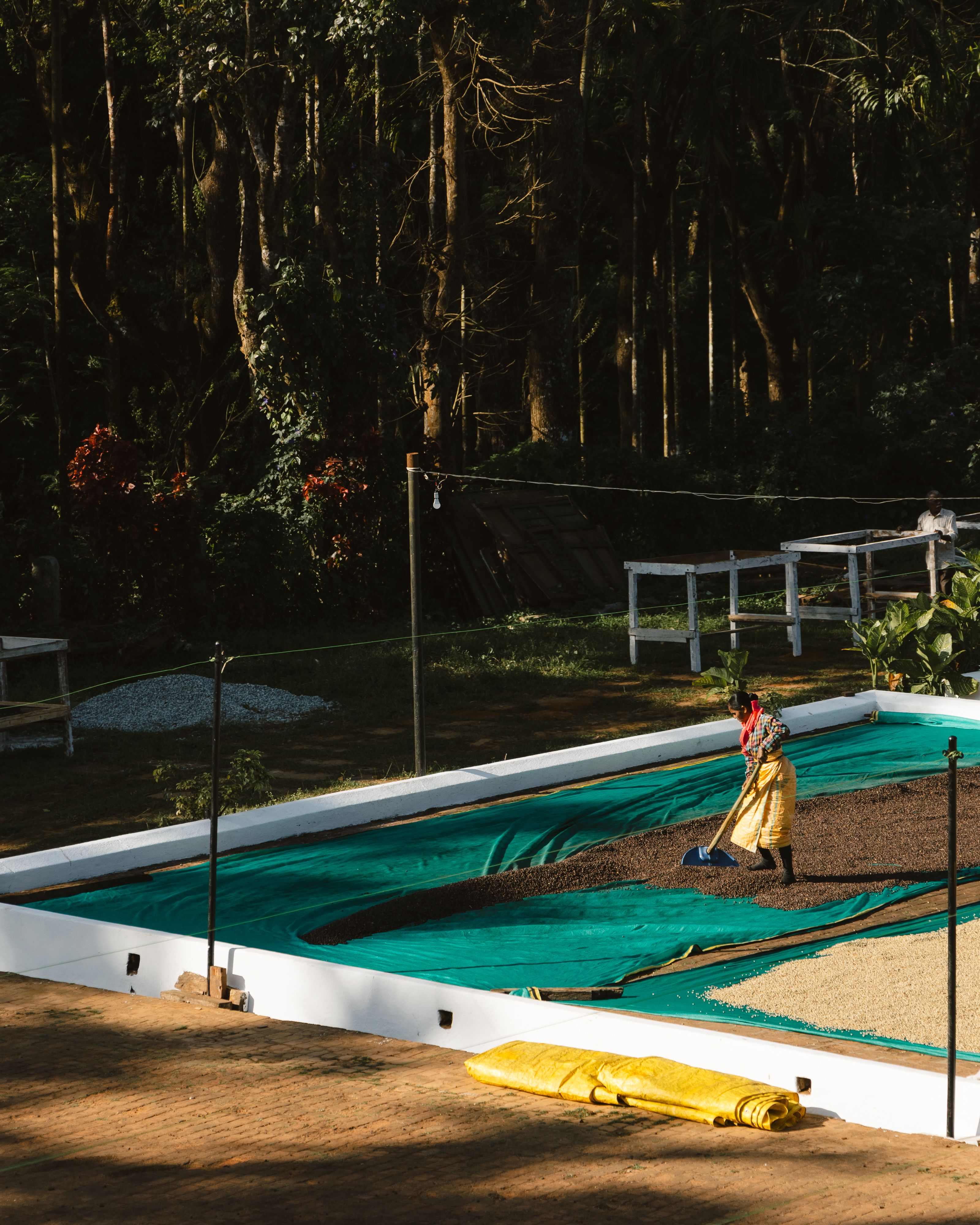
In my time working at Passenger, I’ve had the opportunity to talk about coffee with everyone from a handful of baristas to rooms filled with more than 90 home coffee enthusiasts. While the questions I receive vary depending on the audience, there are a few that come up again and again. When it comes to Passenger’s coffee, and coffee in general, the questions I hear most often have to do with the various certifications associated with coffee, like organic certified coffee.
“Why doesn’t Passenger have organic certified coffee?”
“Can you tell us more about organic certified coffee?”
The answer I usually give isn’t all that different from the one you’ll find on the FAQ page of Passenger’s website:
With respect to Organic Certification, while many of the coffees that Passenger buys are produced organically, the cost of organic certification is untenable for many coffee producers and fully organic coffee production is extremely risky, if not impossible, in many coffee producing regions. Rather than requiring this seal of certification, we at Passenger believe in working with producers over time to identify viable strategies to lessen negative environmental impact and improve sustainability.
I’ve come to recognize that, for many consumers, this answer simply isn’t good enough. Anyone who has worked in the service industry, or spent enough time speaking to groups, knows the body language cues that come from an audience that doesn’t like your answer (a furrowed brow, arms folding). It’s a breakdown of trust happening in real time and facing that moment as a speaker is extremely uncomfortable. After experiencing it enough times, I eventually had to ask myself: would I buy that answer either? The truth is, it doesn’t matter if my response has been informed by personal conversations with coffee producers if the answer is ultimately coming from me - a representative of a coffee roasting company that does not advertise organic certification on its coffee bags.
In Lancaster, Pennsylvania, where Passenger is based, we’re blessed with microcosmic access to an outstanding local food supply chain. More often than not, you can buy the produce for tonight’s dinner after a quick conversation with the farmer that grew it, just a few minutes down the road. To state the obvious, this isn’t the case with coffee. And this is where the trust breaks down. My explaining away of organic certification could simply be me making excuses, taking advantage of the distance between producer and consumer that is inherent to coffee. This isn’t a revelatory observation. It’s something the industry has been grappling with for quite some time, and on a number of fronts. How do we speak less on behalf of farmers and instead find more ways to support farmers in speaking for themselves, directly to consumers, provided that’s something they’re interested in? In my experience, they almost always are.
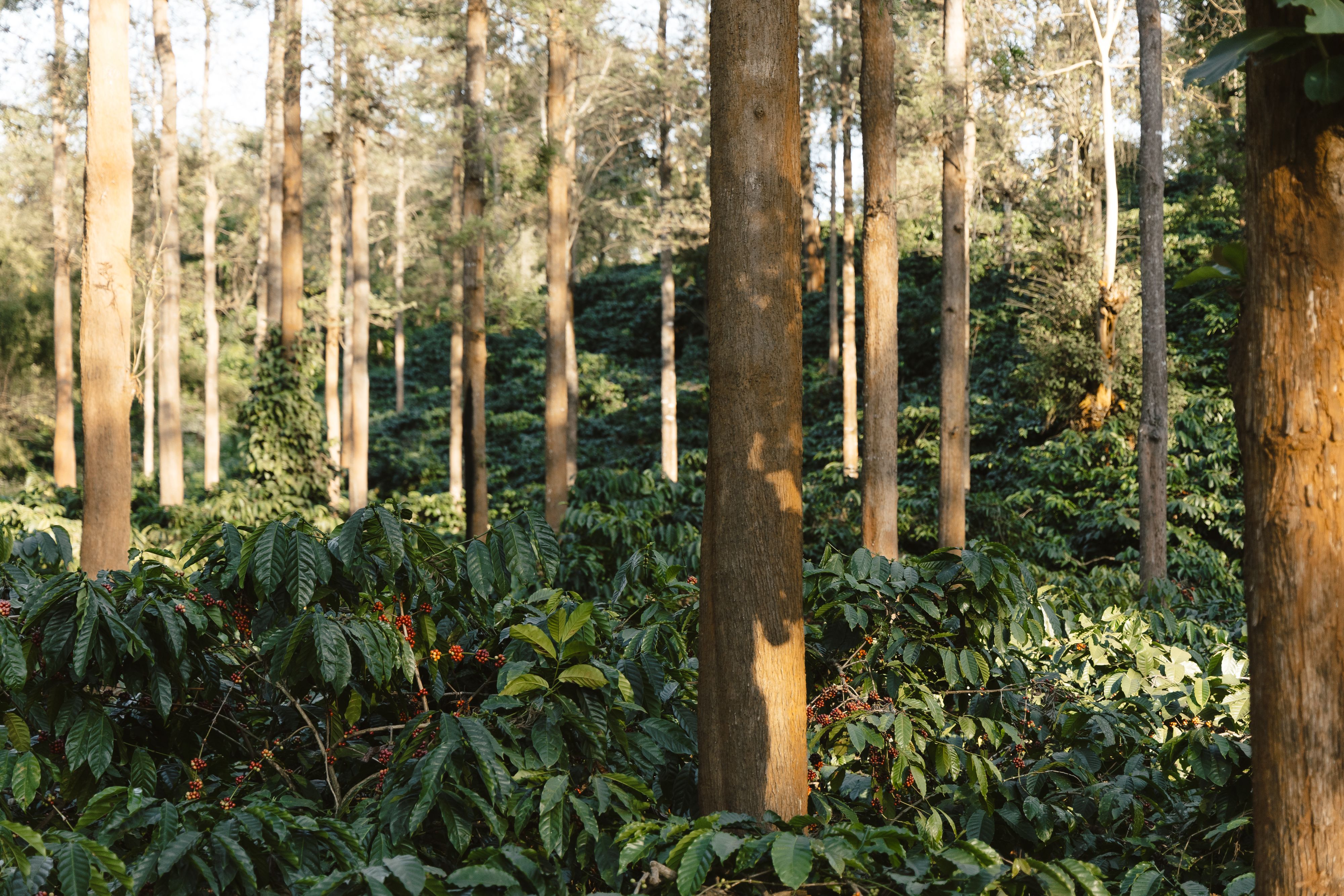
With this in mind, I immediately thought of the producers we work with in India. Among them is the Kaadkapi collective, a group of farmers whose compelling agroforestry-type model of coffee production seeks to use specialty coffee as a means of preserving the rich native biodiversity of Southwest India. Another is Mukul Mahindra, an organic certified single farmer, from the region of Koorg in India, and owner of Hardoor Estate.
Over the next few months, we’ll be releasing a series of interviews with Kaadkapi and Mukul on the topic of organic certification. Our hope in sharing these conversations is that readers will gain a better understanding of the challenges producers face around organic certification, from the perspective of the farmers themselves.
As became evident in our conversations with these producers, the argument isn’t that organic production or organic certification lacks merit altogether, nor that its impact hasn’t been an important step toward environmental sustainability. The question, rather, is whether the way we define, measure, and pursue organic certification adequately reflects the realities of the farmers who are expected to meet its standards. Organic certification can be an important tool for environmental stewardship and consumer protection, while still leaving room to ask whether the standards themselves, and the systems used to verify them, are serving producers and the environment as well as they could. And if we want to answer that question honestly, the farmers themselves need to have a meaningful voice in defining what success looks like.
Stay tuned for our first interview in the series, which will be with producer Mukul Mahindra of Hardoor Estate in India.