- Transparency
- October 27, 2026
Russ DurfeeProducer Perspectives: The Reality of Organic Certification, Part 2
An Interview with Mukul Mahindra of Hardoor Estate.

This is the second installment in a series exploring producer perspectives on organic certification. If you haven’t yet, we invite you to read the introductory post to learn more about what inspired these conversations and what we hope readers will take away from them.
Mukul Mahindra is a coffee farmer located in the Koorg region of India, about 4 hours drive south of Chikmagalur. His farm, Hardoor, holds a number of different organic certifications, each one with a slightly different set of standards he must meet to maintain certification and gain access to a given market: COS(Canadian Organic Certification), NPOP(Indian) and EU(European). In addition, Hardoor is Smithsonian Bird Friendly certified for coffee and cacao production. But this may not be the case in the near future. Mukul puts it very plainly:
“If another farmer asked me ‘should I get certified?’ I would say ‘by all means begin cultivating your farm with more organic methods and make all the switches away from chemicals, but DO NOT bother with certification.’ The only reason I have persisted with my own certification is that I realise if I do give it up, there's no turning back. However, every year gives me less and less reason to continue.”
What follows is a transcript of a series of interview questions we asked Mukul to respond to on this subject. His responses were given in writing, and are shared here exactly as we received them.
…..
In your experience and conversations with other producers, what are some of the biggest obstacles farmers face in obtaining organic certification?
For the average farmer with a size of under 10 acres, the cost of certification and immense documentation is prohibitive. The way around this of course is becoming a part of a group certification. The trade off then is that all your produce will be controlled by the group if the farmer wants any sort of reward for the effort.
The 3-4 year conversion period during which no other chemicals can be used, but when the crop cannot be considered organic is another obstacle. The fall in production is felt without any compensation through premiums. Understandable though it may be, this is the consideration keeping most from converting.
Every jurisdiction has a separate certification "standard" that must be paid for. It is not just one "organic" label that applies the world over even though the functional differences between standards is negligible while the additional cost for the privilege of being able to sell to a different jurisdiction is anything but negligible.
For those that do achieve organic certification, what do you feel are the biggest obstacles to maintaining the certification?
Extreme crop drop off in year 3-7 without chemical inputs, especially if regenerative practices and alternative organic inputs are not implemented. This is the responsibility of the farmer, however information and resources are hard to come by.
Premiums1 are shaky. They can be good when commodity prices are low but can be non-existent when prices are already high since premiums are tied to commodity rates.
Certifying bodies can be extremely non-responsive and arrogant, often making farmers feel like we should be grateful when our email is replied to. Certifying bodies can be especially bad when they have to interact with each other to issue a transaction certificate during trade. I personally have had nightmares with IMO2.
Flooding of hidden costs such as payment for every TC [Transaction Certificate] raised, approval of labels that need to be stuck on bags and even the cost of surprise audits that they are required to conduct is pushed on to the farmer.
The level of interference in matters that have nothing to do with field practices is infuriating. For example: the requirement to nail signs that say "planting area" or "green manure area" in every block that has been replanted or green manured. This ends up being the entire farm. This may seem like a small matter, but it adds up when they raise an NC [Non Compliance], for which we need to take "corrective action", document the same and submit everything to the CB [Certifying Body] and then wait days for a reply before finally clearing the NC. This can take hours or days away from actual necessary field work where a farmer's attention is necessary.
In your opinion, is obtaining organic certification worth it for farmers?
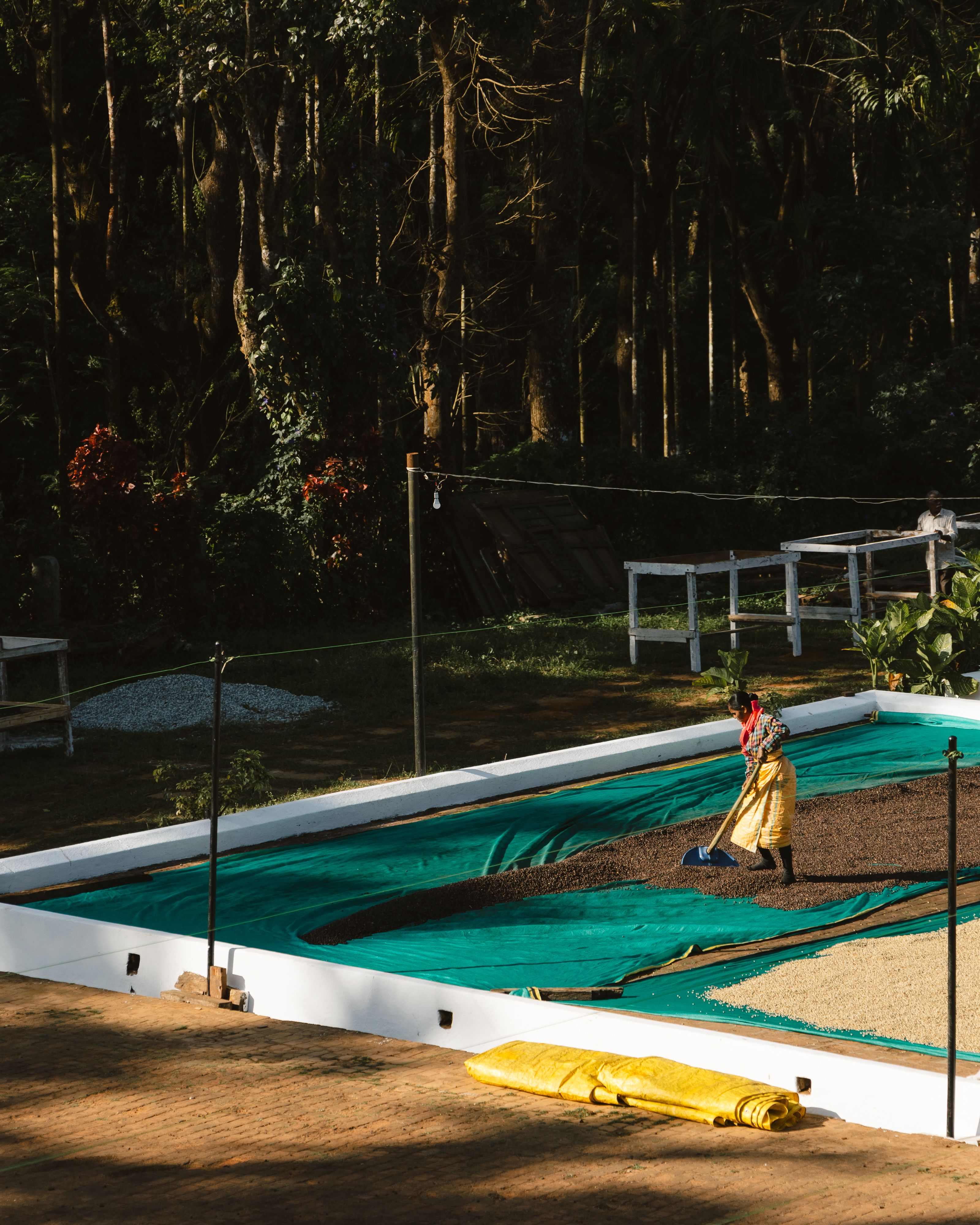
No. Some of the standards are frankly ridiculous. One of the most egregious examples in coffee being that drying our coffee on our yard is considered "processing" under the EU standard and therefore requires another audit and another certificate which obviously is an additional expense, putting further pressure on already razor thin premiums. Not to mention the additional paperwork of issuing a TC from my farm (production) to my own farm (processing) which naturally again I as a farmer have to pay for. I think us farmers can be excused for coming to think of this as more of a money making scheme by certifiers rather than actually helping the farmers or the environment in any meaningful way.
How would you like to see organic certification change to better suit the realities that farmers face on the ground?
The first step would be more farm visits by those creating standards to get a real sense of how unfeasible some of their ideas are. Someone who has spent time working under the sun in the mud will formulate better standards than someone in a well pressed suit, sitting in an air conditioned office.
Do you consider the ecological conservation efforts of groups like Kaadkaapi to be more achievable and impactful than organic certification programs alone?
They are certainly more impactful since it [is] a group of farmers that are protective of the wilderness that we ourselves grew up in and hence have a much firmer grasp on what is feasible and realistic, while still being open to making certain sacrifices to drive positive change.
There are however very real limitations to this direct trade model that don't apply to certification, the main one being scalability.
…
Stay tuned for the next installment in this series, featuring an interview with the Kaadkaapi Collective, a self described "Coffee farmer collective from India, growing specialty coffee in harmony with wildlife, forests, and landscapes.”
- 1In this context, “premium” refers to the additional payment a farmer receives for coffee as a result of organic certification.
- 2From the IMO India Website: “IMO is an independent certification body for organic & sustainable agriculture that has been carrying out audits and certification since 1995” https://www.imocontrol.in/