- Transparency
- November 03, 2026
Russ DurfeeProducer Perspectives: The Reality of Organic Certification, Part 3
An interview with Kaadkaapi Collective.
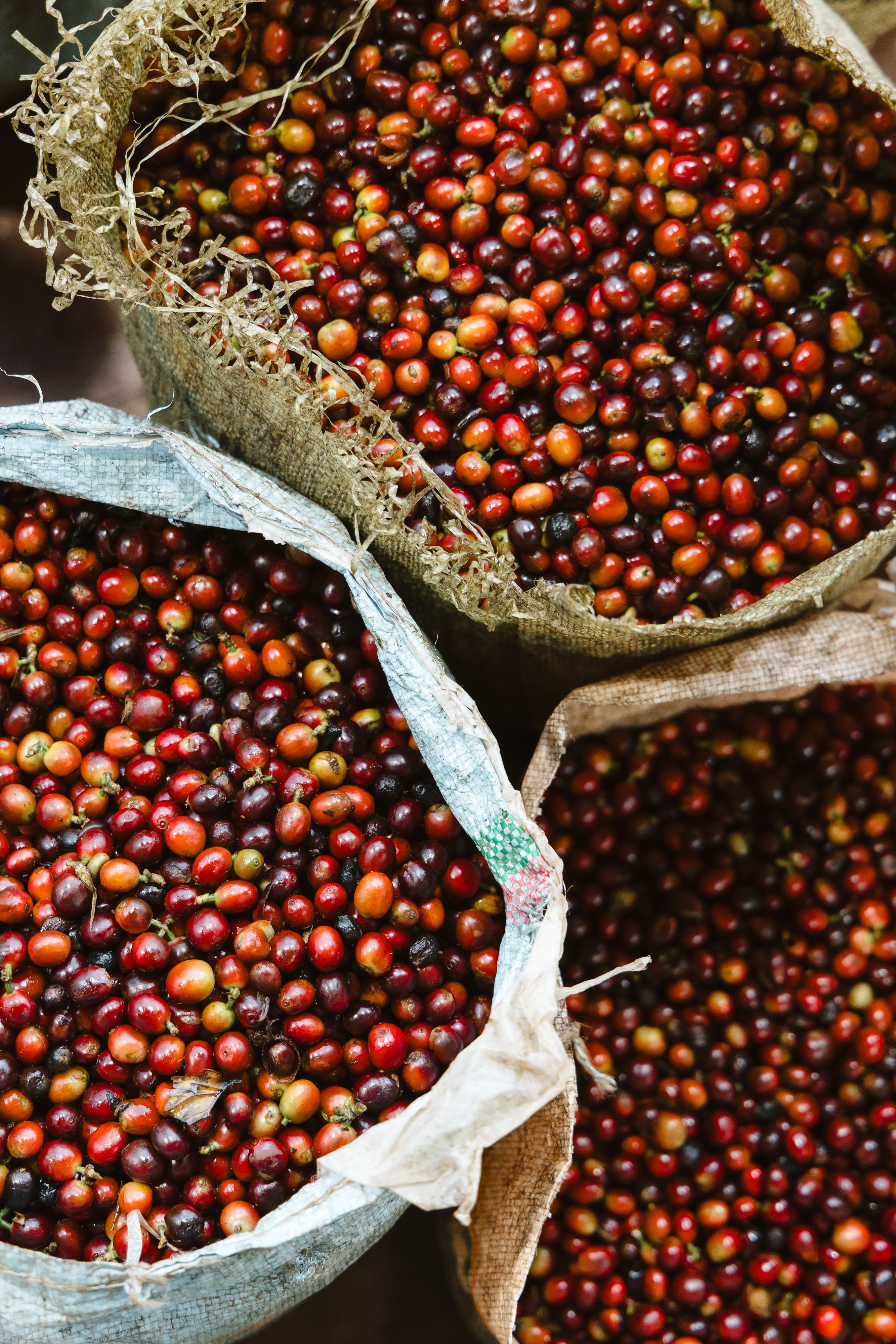
Our final interview in this series features our friends at Kaadkaapi: a collective of coffee farmers who together are committed to pursuing sustainable production of specialty coffee as a means to protect and build wildlife biodiversity in the Western Ghats region of India. I was interested in hearing about how their efforts might inform positive changes to certification standards and outcomes, and where they thought existing certification programs were falling short.
What follows is a transcript of our interview with Kaadkaapi on this topic. Their responses were given in writing, and are shared here exactly as we received them.
…..
In your experience and conversations with others, what are some of the biggest obstacles farmers face in obtaining organic certification?
For most farmers, the biggest obstacle is not the philosophy of organic farming but the complexity and cost of proving compliance. Organic certification has evolved into a highly sophisticated compliance system rather than simply a way of recognizing good farming practices. While the core philosophy is universal—growing food in harmony with nature and minimizing synthetic chemicals—there is no single globally standardized definition of "organic." Every market has its own regulations, permitted substances, certification procedures, and documentation requirements. Some countries even have multiple certification levels. For example, the United States distinguishes between "100% Organic" and "Organic" (95% organic ingredients).
This lack of harmonization significantly increases costs and complexity for producers supplying multiple export markets.
Some of the major barriers include:
• High certification costs. Annual inspections, certification fees, documentation, internal control systems, laboratory testing, and record-keeping all add substantial costs, particularly for smallholder farmers.
• Multiple operators requiring certification. Under the European Union Organic Regulation, farms and food processing facilities are treated as separate operators within the supply chain, with each requiring its own independent annual inspection by an EU-approved control body. In coffee production, this creates a particularly burdensome situation. A coffee farm must be registered as one certified entity, while the wet mill located on the same farm—which processes only the coffee harvested from that farm—must be registered and certified as a separate entity. In effect, one integrated farming enterprise is treated as two separate businesses for certification purposes, resulting in duplicated inspections, documentation, compliance requirements and certification costs. Similar duplication can occur throughout the supply chain, where every actor—from producer to processor to exporter—must be certified irrespective of the scale or duration of their involvement.
• A one-size-fits-all approach. Organic standards are generally designed around production systems rather than individual crops. As a result, farmers are often required to implement procedures that have little practical relevance to their crop but still increase compliance costs.
• Complex regulations. Many farmers find the regulations difficult to understand and constantly changing. They often depend on consultants or certification specialists to remain compliant, creating additional financial burdens and opportunity costs.
• Regulations that are difficult to implement in practice. Some requirements are technically sound in theory but impractical under field conditions. For example, the EU Organic Regulation requires water used during washed coffee processing to be appropriately filtered. Physical filtration systems such as activated carbon filters, sediment filters, reverse osmosis systems, or UV treatment may comply, but these technologies represent significant investments for small producers. Regulations also evolve over time, forcing farmers to continually upgrade infrastructure simply to maintain certification.
• Transition period without benefits. Farmers often undergo a two- to three-year conversion period during which they must farm organically but cannot yet market their products as organic, meaning they bear the costs without receiving the premium.
• Slow innovation in organic inputs. Compared to conventional agriculture, innovation in organic crop protection and nutrition is relatively slow. The market is smaller, reducing incentives for companies to invest in research and development. Consequently, effective organic inputs are often more expensive and less readily available.
• Conflicting government requirements. Farmers sometimes face mandatory phytosanitary regulations that conflict with organic principles. For example, many importing countries require green coffee to be fumigated before export using phosphine or methyl bromide. Organic alternatives such as carbon dioxide treatment, nitrogen flushing, or heat treatment require specialized equipment that is often unavailable or prohibitively expensive.
Another significant challenge is uncertainty created by failures elsewhere in the certification system. In 2021, the European Commission suspended recognition of five Indian certification bodies that had certified over 80% of India's organic exports to Europe. More recently, India's organic certification monitoring authority imposed penalties and restrictions on six certification agencies and one exporter due to serious compliance failures. These actions had ripple effects throughout the supply chain, affecting farmers who had done nothing wrong themselves. This demonstrates that weaknesses in oversight can create major uncertainty for producers.
Finally, fraud and mislabelling continue to undermine farmer confidence. Studies around the world indicate significant levels of organic food fraud. In India, monitoring authorities have reported that a substantial proportion of products marketed as organic fail authenticity or contamination checks, while historical USDA monitoring in the United States has also identified prohibited pesticide residues in products sold as organic. Ultimately, genuine farmers bear the consequences. When producers are held to increasingly rigorous standards while fraudulent actors continue to undermine consumer confidence, the credibility of the entire certification ecosystem is weakened, despite the efforts of honest producers who have invested heavily in compliance.
For those that do achieve organic certification, what are the biggest obstacles to maintaining the certification?
Maintaining certification is often harder than obtaining it.
Farmers must maintain meticulous documentation, undergo annual inspections, keep up with changing regulations, ensure that every input remains compliant, and verify that every participant in the supply chain also remains certified.
Even small administrative mistakes can jeopardize certification despite excellent farming practices. For many small producers, maintaining compliance gradually becomes an administrative exercise that competes with the time and resources needed to actually manage the farm
Maintaining certified infrastructure also requires continual investment as standards evolve. Farmers who initially complied may later need to invest in new equipment or modify existing systems simply because regulatory interpretations have changed.
Another challenge is economic sustainability. Organic price premiums have become increasingly inconsistent. Many producers incur higher production and compliance costs without receiving proportionately higher returns. This is particularly true in specialty coffee, where premiums are driven primarily by sensory quality, consistency, rarity, and the physical characteristics of the beans. Organic certification is a production standard, not a quality standard. Producing coffee organically does not inherently improve cup quality and therefore does not guarantee higher prices.
In our experience, consistently producing exceptional specialty coffee has generated stronger and more reliable premiums than organic certification alone. Buyers are often willing to pay significantly more for outstanding quality regardless of whether the coffee carries an organic label.
In your opinion, is obtaining organic certification worth it for farmers? Why or why not?
The answer depends entirely on the farmer's objectives and market.
If certification provides reliable market access and buyers consistently pay meaningful premiums, then certification can certainly be worthwhile.
Organic certification has undoubtedly played an important role in reducing the use of hazardous agrochemicals, creating market awareness, and encouraging more environmentally responsible farming practices. It has benefited both producers and consumers in many parts of the world. Our concern is not with the philosophy of organic farming, but with the increasing complexity and rigidity of the certification system.
However, certification should not become an objective in itself.
Our own farming illustrates this point. We use only one or two fungicide applications each year, we do not use insecticides or herbicides, and we rely on synthetic fertilizers where necessary. Compared to many coffee farms that apply multiple insecticide and herbicide sprays annually, our production system is already significantly less toxic for people and biodiversity, even though we are not fully organic.
Another important consideration is productivity. Organic coffee farming often results in lower yields than well managed conventional systems, particularly during the transition period and in regions with high pest and disease pressure. Published studies have reported yield reductions in the order of 30–45%, although the magnitude varies considerably depending on climate, management practices, pest pressure and the maturity of the organic production system. For many farmers, especially smallholders, lower productivity can significantly reduce farm income unless it is consistently offset by higher market premiums. This reinforces the need for sustainability systems that reward genuine environmental stewardship while ensuring farmers remain economically viable. For smallholder farmers operating on narrow margins, improving environmental outcomes cannot come at the expense of economic viability.
Likewise, in specialty coffee, market value is primarily determined by sensory quality rather than production method alone. Organic certification is not a guarantee of higher quality or better prices. Farmers therefore need to carefully evaluate whether the additional costs and complexity of certification will generate sufficient economic returns.
More fundamentally, organic certification is a process-based standard rather than an outcomes-based one. It certifies that prescribed production practices have been followed, but it does not necessarily measure whether those practices have resulted in healthier soils, richer biodiversity, improved water resources, or more resilient ecosystems. In our view, sustainability should increasingly be evaluated by the environmental outcomes achieved rather than compliance with prescribed processes alone.
In many situations, incremental improvements adopted across thousands of farms can deliver greater environmental benefits than absolute compliance achieved by only a relatively small number of certified farms.
Ultimately, the objective should not be certification for its own sake, but healthier ecosystems, economically resilient farms and high-quality products. Certification should remain a means to achieve these outcomes—not the outcome itself.

How would you like to see organic certification change to better suit the realities that farmers face on the ground?
I would like to see organic certification become more outcome-oriented rather than purely compliance-oriented.
Today, organic certification is primarily designed to provide assurance to consumers that food has been produced without certain synthetic inputs. It is therefore largely consumer-focused, with comparatively less emphasis on measuring what happens at the origin. While the prescribed farming practices are expected to benefit the environment, the actual ecological outcomes—such as improvements in biodiversity, wildlife populations, soil health, water quality, or ecosystem resilience—are rarely measured directly.
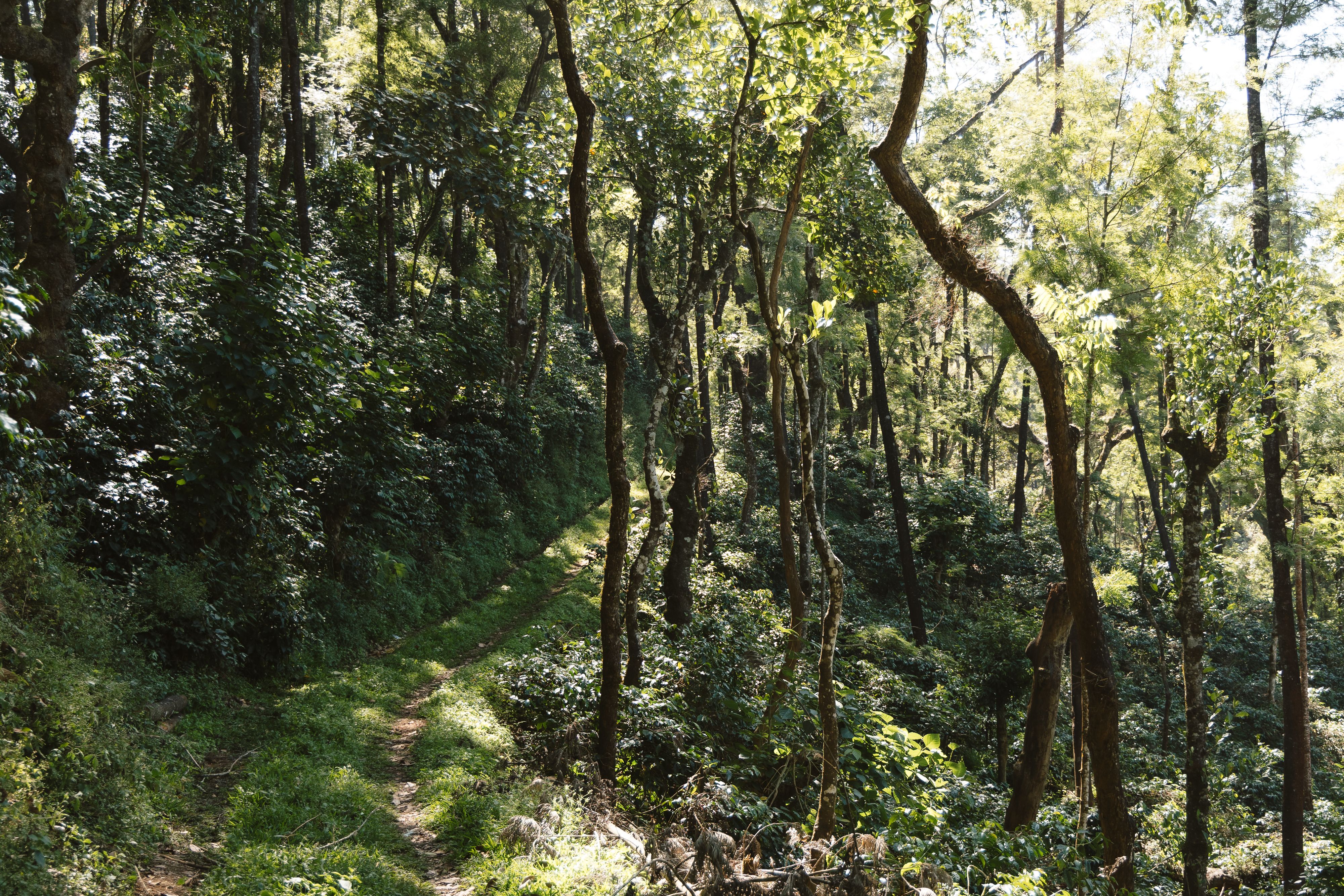
Equally important, organic certification should not be equated with biodiversity conservation. A farm can fully comply with organic standards while having limited native tree cover, fragmented habitats, or relatively low ecological value. Conversely, a well-managed shade-grown coffee farm with rich native biodiversity may deliver exceptional conservation outcomes despite not being organically certified. Measuring ecological outcomes directly would provide a far more meaningful assessment of environmental sustainability.
I believe future certification systems should place far greater emphasis on measurable environmental performance rather than simply auditing compliance with prescribed processes.
Some improvements could include:
• Greater international harmonization of standards.
• More crop-specific and region-specific requirements rather than one-size-fits-all rules.
• Recognition of measurable environmental outcomes such as biodiversity conservation, soil health, water quality, and carbon sequestration.
• Simpler documentation requirements, especially for smallholder farmers.
• Rationalisation of traceability systems to reduce paperwork.
• More affordable certification pathways and stronger public support for certification costs. • Better risk-based auditing so that compliant farmers are not burdened by unnecessary inspections.
• Recognition of progressive improvement rather than requiring farmers to move immediately from conventional to fully organic systems.
• Recognition of landscape-level conservation efforts, including biodiversity, habitat connectivity and ecosystem resilience, alongside farm-level production practices
Organic certification should encourage continuous improvement instead of creating a binary distinction between "organic" and "non-organic." Rather than asking whether a farm is simply "organic" or "not organic," future systems should recognize and reward measurable progress towards environmental sustainability.
Do you consider the ecological conservation efforts of groups like KaadKaapi to be more achievable and impactful than organic certification programs alone?
Yes. The reason is not that organic certification is ineffective, but that landscape conservation requires a broader framework—one that integrates ecological outcomes, farmer livelihoods and market incentives.
Our objective at KaadKaapi is not simply to increase the number of certified farms. Our objective is to conserve the Western Ghats landscape while simultaneously producing exceptional coffee and securing sustainable livelihoods for farming communities. For us, coffee is not the end goal—it is the vehicle through which we achieve landscape conservation.
KaadKaapi seeks to balance both ends of the value chain. While organic certification is primarily designed to assure consumers that products have been produced according to prescribed organic standards by regulating production practices and limiting chemical use, we place equal importance on the origin. We believe that if we protect forests, wildlife, soils, water resources and farming communities, we create healthier ecosystems, more resilient livelihoods and a more secure supply of exceptional coffee for consumers. Consumer well-being and environmental stewardship are therefore inseparable.
This also reflects an important philosophical difference. Organic certification primarily functions as a verification system—it verifies compliance with a prescribed set of production practices. KaadKaapi functions as an incentive
system, rewarding farmers for producing exceptional coffee while simultaneously conserving biodiversity and ecosystem services. We believe long-term conservation is more likely to succeed when farmers are rewarded for measurable outcomes rather than compliance alone. Organic certification verifies that farmers have followed prescribed practices. KaadKaapi seeks to verify that those practices have produced meaningful ecological outcomes
A further distinction is how biodiversity is assessed. KaadKaapi measures biodiversity directly as an indicator of ecosystem health. Biodiversity is one of the most meaningful indicators of ecosystem integrity because it reflects the cumulative effects of land stewardship over time. Healthy populations of birds, mammals, amphibians, reptiles, pollinators and other organisms indicate functioning habitats, healthy soils, clean water and resilient ecological processes. Measuring biodiversity therefore provides a direct assessment of whether conservation objectives are actually being achieved. Organic certification seeks to encourage these outcomes by prescribing production practices and restricting certain inputs. KaadKaapi complements this approach by measuring the ecological outcome itself and creating market incentives that reward farmers for maintaining and enhancing biodiversity. In our view, directly rewarding measurable conservation outcomes provides a stronger and more adaptive incentive for protecting landscapes than relying solely on compliance with prescribed practices.
To achieve landscape-scale conservation, we need as many farmers as possible to adopt wildlife-friendly farming practices. Those practices must be scientifically sound, economically viable, easy to understand, inexpensive to implement, and capable of being maintained over decades.
This highlights one of the fundamental challenges of conserving working agricultural landscapes. The ecological benefits generated by biodiversity, watershed protection and climate resilience are shared by society, while the costs of maintaining them are borne by individual farmers. Long-term conservation therefore requires mechanisms that reward farmers for generating these public environmental benefits.
In India, small growers—defined as those owning 10 hectares or less—account for approximately 98–99% of all coffee holdings. For the overwhelming majority of these farmers, coffee is not simply a crop; it is their primary livelihood. Any sustainability model that does not generate stable and attractive financial returns is therefore unlikely to achieve widespread adoption, regardless of its environmental merits. Landscape-scale conservation cannot depend solely on the goodwill of individual farmers—it must make sound economic sense for the vast majority of them.
For these farmers, even modest reductions in yield can have a significant impact on household income. Conservation initiatives therefore need to recognize that environmental sustainability and economic sustainability are inseparable. A model that expects farmers to sacrifice productivity without providing reliable financial returns is unlikely to achieve widespread adoption or long-term conservation outcomes.
In our opinion, the most effective approach to landscape conservation is one that aligns farmers' economic interests with the ethical stewardship of the land. Farmers should be rewarded not only for producing exceptional coffee but also for stewarding the ecosystems that benefit society as a whole. When environmental stewardship creates measurable economic value for farmers, conservation shifts from being a compliance obligation to becoming a business opportunity.
Our model seeks to align market incentives with conservation outcomes by rewarding two things simultaneously: the sensory quality of the coffee and the positive environmental outcomes associated with its production, such as biodiversity conservation and wildlife-friendly farming. In effect, conservation incentives become market-led rather than purely compliance-driven. Rather than relying exclusively on centralized standards that, by necessity, cannot fully account for the ecological, agronomic and socio-economic diversity of every farming landscape, consumers are able to express what they value through their purchasing decisions. Farmers who successfully balance exceptional quality with genuine landscape conservation are rewarded accordingly. We believe this creates a more adaptive, locally relevant and scalable pathway to sustainability.
The current structure of organic certification can be daunting for many farmers. Its complexity, cost, and administrative burden create significant barriers to entry. As a result, many farmers who are already managing their farms responsibly choose not to pursue certification.
Landscape conservation depends on participation at scale. Even modest improvements adopted by thousands of farmers can generate greater biodiversity benefits than perfect compliance achieved by only a small number of certified producers.
Organic certification has made an invaluable contribution to sustainable agriculture by establishing trusted production standards and expanding markets for responsibly produced food. We see KaadKaapi not as a replacement for organic certification, but as the next step in the evolution of sustainability—one that complements trusted production standards by rewarding measurable conservation outcomes alongside exceptional coffee quality. If conservation becomes economically viable and practically achievable for ordinary farmers, protecting biodiversity is no longer simply a cost of producing coffee; it becomes part of the value that coffee creates. That, we believe, is the foundation of truly sustainable coffee production.